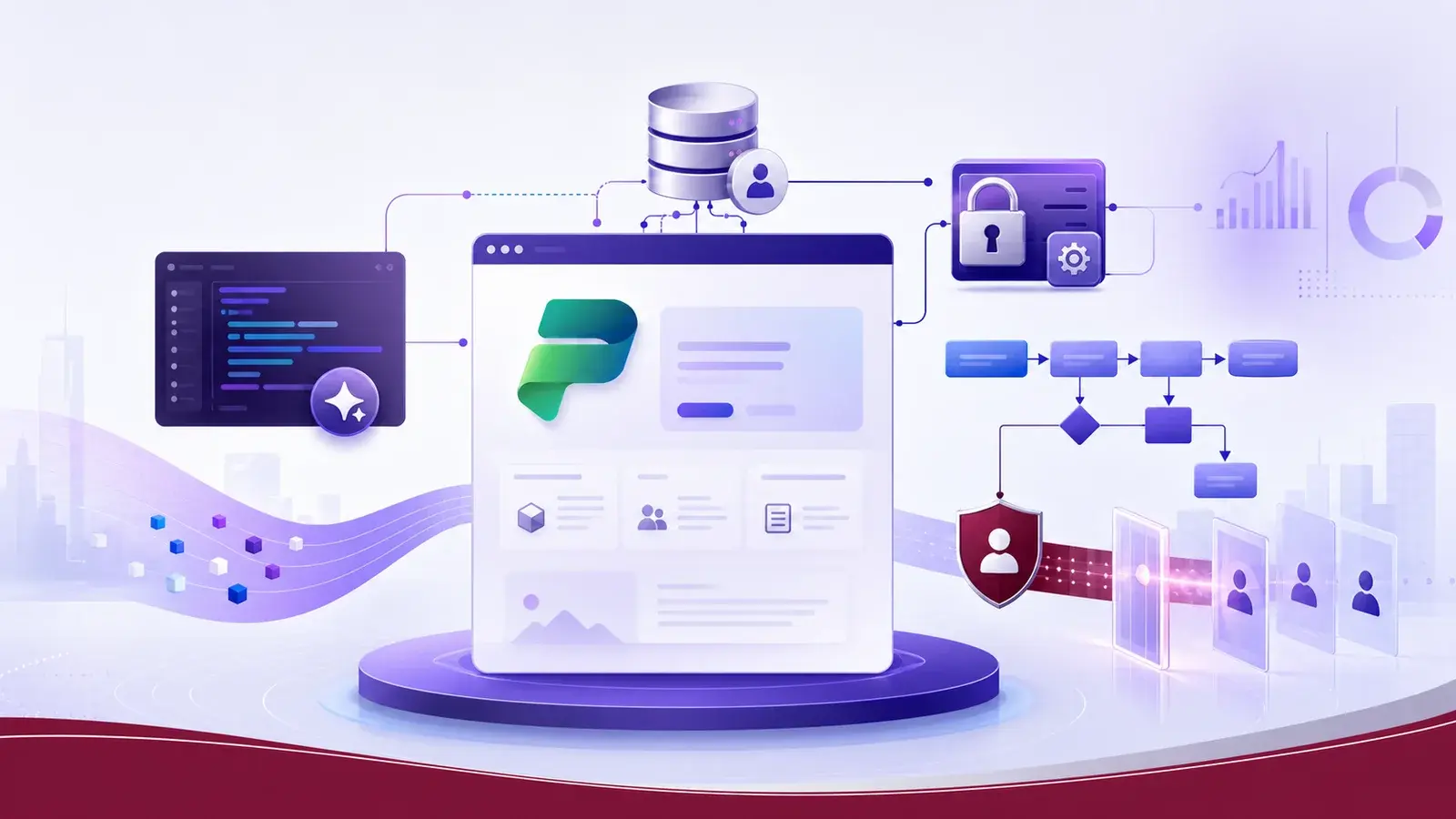
Power Pages is moving from portal builder to enterprise web application platform
For years the honest description of Power Pages was "a quick way to put Dataverse on the web". With single-page applications, server-side logic and embedded analytics now available, it can be a real application platform. That changes the question I ask at the start of a project: is this a website, or is it an application?
The building blocks that changed the picture
- Single-page applications reached general availability in February 2026, from site version 9.8.1.x. Complex journeys can now feel responsive instead of page-by-page.
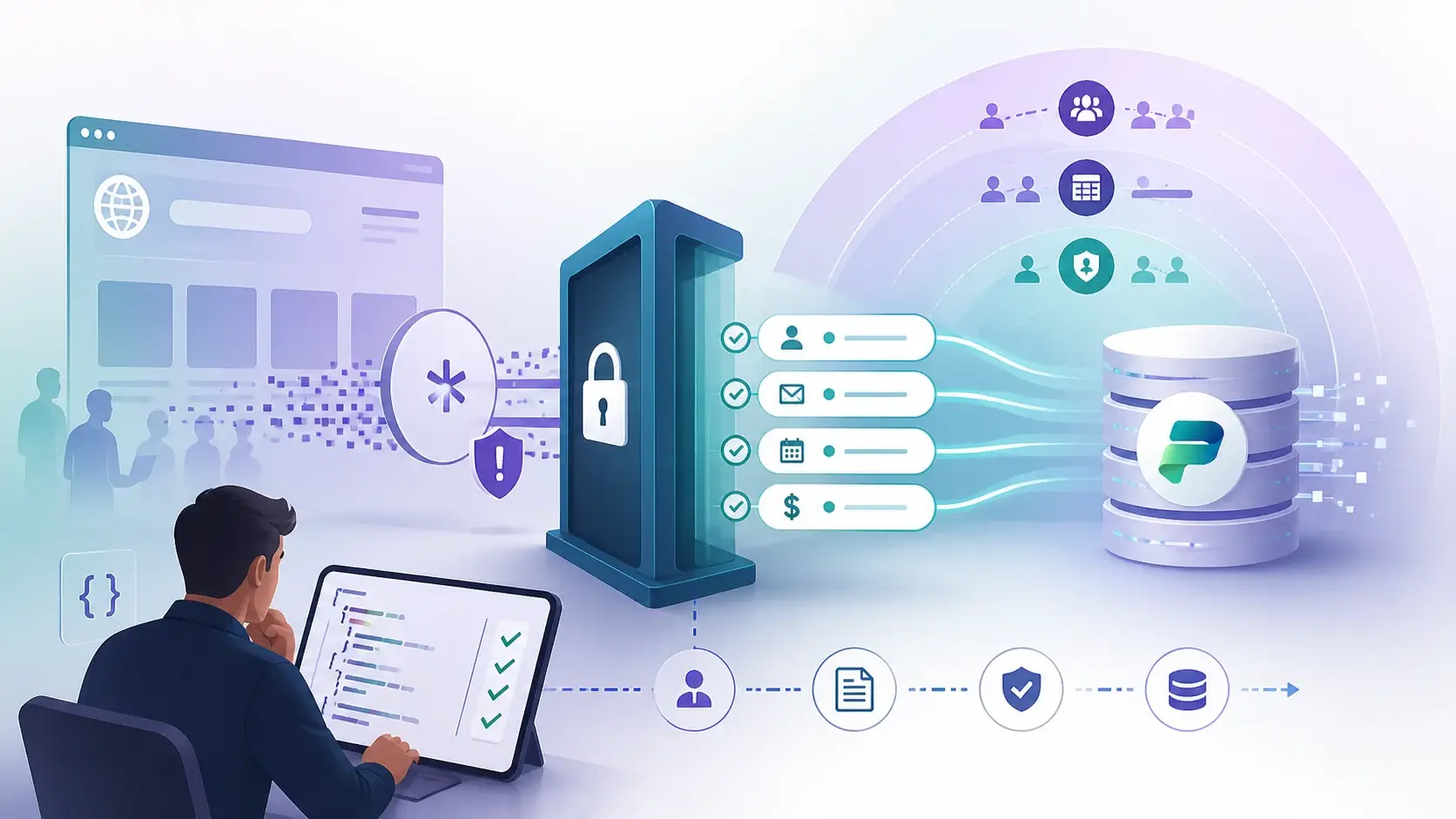
- Secure server-side logic reached general availability in April. Sensitive operations can run on the server instead of in browser code.
- Power BI embed token v2 is listed as generally available from 15 July 2026, a cleaner way to show governed reports inside a site.
Other items are still preview or planned, including client APIs for Power Pages components and a unified authorisation model that aims to bring web roles and Dataverse security roles closer together. Microsoft's wave plan warns that timelines can change, so check each one against your site version and region.
Website or application?
I use a few simple questions to decide how seriously to treat a Power Pages project:
- Do visitors sign in and see their own records?
- Can they create or change data, not just read it?
- Does the site call protected business logic or other systems?
- Would the business notice within an hour if it stopped working?
Two or more "yes" answers and it is an application. It needs an owner, an environment strategy, a test plan and a support model, just like any other business system.
When I would use each block
- SPA where a journey has many steps or needs to feel instant. Not for a simple information page.
- Server-side logic for anything involving secrets, other systems or rules that must not be bypassed. Keep each endpoint narrow, with input validation and an owner.
- Embedded Power BI where a visitor needs current business numbers to make a decision, rather than exporting data to them.
The old line between "portal" and "application" is not very useful any more. That is good news, but it raises the standard. If a site is part of a business process, I treat it as a product, not a page.
A practical next step
Take one existing site and run it through the four questions above. If it turns out to be an application, write down its owner, its environments and how it is tested. If you cannot, that is the first gap. For how to release changes safely, see a governed delivery path for Power Pages.
Sources
References used for this article. Links open in a new tab.
- Microsoft Learn — Overview of Power Pages 2026 release wave 1
- Microsoft Learn — New and planned features for Power Pages, 2026 release wave 1
- Microsoft — What’s new in Power Platform: February 2026 feature update
- Microsoft — What’s new in Power Platform: May 2026 feature update
- Microsoft Tech Community — Breaking the Shackles of Legacy Portals: Power Pages as Enterprise SaaS